Explore the World of Laboratory Equipment: Types, Uses, and Expert Insights
Laboratory equipment forms the foundation of modern scientific research, education, and industrial innovation. Whether in chemistry, biology, physics, or environmental science, laboratories rely on specialized instruments to conduct experiments, analyze data, and ensure accuracy.
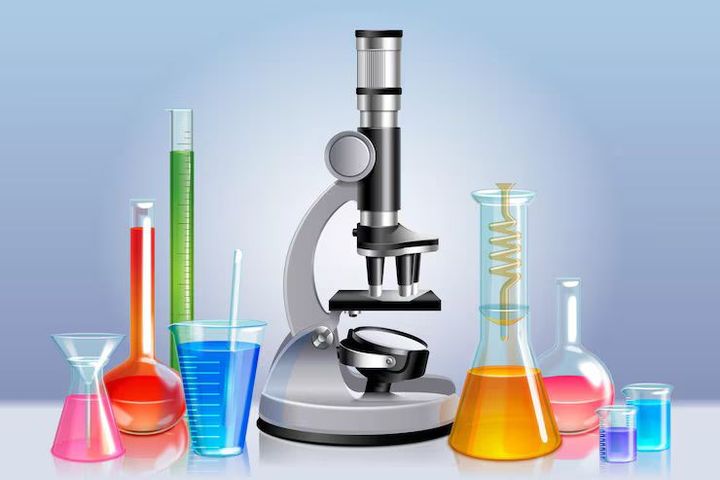
From simple glassware like beakers and pipettes to advanced analytical tools such as spectrophotometers and chromatographs, laboratory equipment exists to support systematic inquiry and repeatable experimentation. The goal is precision — enabling scientists, students, and technicians to explore theories, validate findings, and create new technologies that shape industries and everyday life.
The field continues to evolve rapidly, integrating automation, digital monitoring, and artificial intelligence to improve precision and safety. In 2025, the role of laboratory equipment extends beyond academic research, influencing medicine, food safety, materials science, and environmental monitoring.
Importance
Laboratory equipment plays a crucial role in ensuring reliable results, standardized testing, and safe operations. Its importance extends across multiple fields and affects a wide range of stakeholders, including researchers, healthcare professionals, educators, and product developers.
Key Reasons Why Laboratory Equipment Matters:
-
Accuracy and Consistency: Reliable instruments ensure experiments produce repeatable results.
-
Safety and Compliance: Proper equipment reduces risk in handling chemicals, pathogens, and hazardous materials.
-
Innovation Support: Advanced tools allow scientists to explore new frontiers such as nanotechnology, biotechnology, and renewable energy.
-
Education and Training: Laboratories in schools and universities develop the next generation of scientists and engineers.
-
Global Quality Standards: Standardized laboratory tools ensure that research and industrial testing meet international quality benchmarks (such as ISO/IEC 17025).
Laboratory equipment also serves as a bridge between theory and application — transforming conceptual knowledge into practical outcomes that benefit society.
Recent Updates and Trends (2024–2025)
The past two years have brought significant developments in laboratory technologies, emphasizing sustainability, digitalization, and automation.
| Trend | Description | Impact |
|---|---|---|
| Smart Labs & IoT Integration | Equipment connected via the Internet of Things (IoT) enables remote monitoring and data sharing. | Enhances collaboration and efficiency. |
| AI-Driven Automation | Artificial intelligence supports automated data interpretation and error reduction. | Improves accuracy and reduces manual workload. |
| Energy-Efficient Instruments | Eco-friendly designs lower power consumption and carbon footprints. | Aligns with global sustainability goals. |
| Single-Use Systems in Biotech | Disposable reactors and filters reduce contamination risk. | Increases safety and simplifies compliance. |
| 3D Printing in Lab Equipment Manufacturing | Customized lab tools and prototypes are now created on demand. | Reduces production costs and improves innovation flexibility. |
A 2025 market report from Research Nester highlighted that the global laboratory equipment market is projected to reach over USD 70 billion by 2028, driven by automation and increased demand for clinical testing and pharmaceutical R&D.
Laws and Policies
Laboratory operations are governed by strict standards and regulations to ensure safety, quality, and environmental responsibility. These policies vary by country but share common principles that promote responsible scientific practice.
Key Global Standards and Guidelines:
-
ISO/IEC 17025: Sets the requirements for the competence of testing and calibration laboratories.
-
Good Laboratory Practice (GLP): Enforced by organizations such as the OECD and the U.S. FDA to ensure integrity and reproducibility of non-clinical laboratory studies.
-
Occupational Safety and Health Standards (OSHA, EU-OSHA): Regulate safe working conditions, protective equipment, and waste management.
-
Environmental Protection Regulations: Ensure safe disposal of chemical and biological waste to prevent pollution.
-
National Accreditation Boards: Many countries, such as NABL (India) or UKAS (UK), certify laboratories for compliance with international standards.
These policies help maintain public trust in scientific data and ensure that laboratory operations contribute positively to research and industrial progress without compromising safety or ethics.
Tools and Resources
In 2025, laboratory professionals have access to a wide range of digital tools, management systems, and analytical platforms that simplify lab operations and enhance data accuracy.
Digital Management and Automation Tools:
-
LabWare LIMS (Laboratory Information Management System): Manages sample tracking, workflow automation, and compliance documentation.
-
Benchling: A popular cloud-based platform for life sciences data management and collaboration.
-
Thermo Fisher Connect: Provides cloud access to instrument data and analysis.
Analytical and Instrumentation Equipment:
-
Spectrophotometers: Measure light absorbance in chemical and biological samples.
-
Centrifuges: Separate sample components by density for analysis.
-
Chromatographs (GC/LC): Used for separating and identifying compounds in mixtures.
-
Microscopes (Optical, Electron, Digital): Visualize microstructures in cells and materials.
Safety and Support Equipment:
-
Fume Hoods: Protect users from hazardous fumes.
-
Autoclaves: Sterilize equipment and materials using pressurized steam.
-
PPE Kits: Essential for maintaining laboratory safety standards.
Educational Resources:
-
Khan Academy & Coursera: Offer beginner to advanced-level laboratory technique courses.
-
ScienceDirect & PubMed: Provide access to research publications for laboratory professionals.
-
Manufacturer Portals: Brands like Agilent, Eppendorf, and Sartorius provide technical documentation and compliance guides.
These tools and resources ensure laboratory environments remain efficient, data-driven, and compliant with modern standards.
Common Types of Laboratory Equipment and Their Uses
| Category | Examples | Primary Uses |
|---|---|---|
| Basic Glassware | Beakers, Flasks, Test Tubes, Pipettes | Mixing, measuring, and transferring liquids |
| Analytical Instruments | Spectrophotometers, Balances, Chromatographs | Quantitative and qualitative analysis |
| Biological Equipment | Microscopes, Centrifuges, Incubators | Studying cells, microorganisms, and biological materials |
| Chemical Processing Tools | Reactors, Distillation Units, pH Meters | Conducting chemical reactions and measuring parameters |
| Safety Equipment | Fume Hoods, Fire Extinguishers, Eye Wash Stations | Protecting researchers and maintaining lab safety |
| Data Management Tools | LIMS, Cloud Storage, Automation Software | Recording and analyzing experimental data |
This classification shows how each instrument category supports a specific research objective, ensuring precision and safety in scientific experimentation.
Expert Insights
Modern laboratories are transitioning from analog setups to “smart labs”, where instruments are interconnected through data networks and controlled via digital dashboards. According to a 2025 report by the International Federation of Clinical Chemistry (IFCC), AI integration in laboratory analytics has reduced human error rates by over 40%.
Experts emphasize three key directions shaping the future of laboratory equipment:
-
Automation and Robotics: Automated pipetting and analysis systems reduce manual handling and improve throughput.
-
Data Integration: Cloud-based platforms allow researchers to share real-time data globally, accelerating discovery.
-
Sustainability: Eco-friendly equipment designs and waste reduction strategies are now standard in new laboratory infrastructures.
As Dr. Elisa Romano, a materials scientist at ETH Zurich, notes:
“The next decade will redefine laboratory efficiency — not by replacing scientists, but by empowering them with smarter tools and better data.”
FAQs
1. What is the most important factor when choosing laboratory equipment?
Accuracy, reliability, and compliance with international standards are the most important factors. The right equipment depends on the type of experiments and materials used.
2. How is laboratory equipment maintained?
Regular calibration, preventive maintenance, and adherence to manufacturer protocols are essential to ensure long-term performance.
3. What are smart laboratories?
Smart laboratories integrate digital tools, automation, and IoT connectivity to streamline workflows, monitor performance, and improve reproducibility.
4. How do laboratories ensure safety?
By using appropriate safety gear, following standardized protocols, and ensuring proper ventilation and waste disposal systems.
5. Which sectors use advanced laboratory equipment the most?
Pharmaceuticals, biotechnology, environmental sciences, food testing, and materials research are the leading sectors relying on advanced lab tools.
Conclusion
The world of laboratory equipment continues to evolve alongside technological progress, shaping the way scientists and professionals work. From glassware to AI-assisted systems, every piece of equipment serves a purpose in building reliable data and fostering innovation.
In 2025 and beyond, laboratory environments will become increasingly digital, automated, and sustainable — merging human expertise with intelligent systems. This transformation ensures that scientific research remains accurate, ethical, and forward-looking, driving new discoveries that benefit industries and society alike.