Oil Extraction Tools: A Guide to Modern Drilling Equipment
Oil extraction tools help operators drill, complete, monitor, and maintain wells. Learn how modern drilling equipment works, recent technology trends, and key regulations.
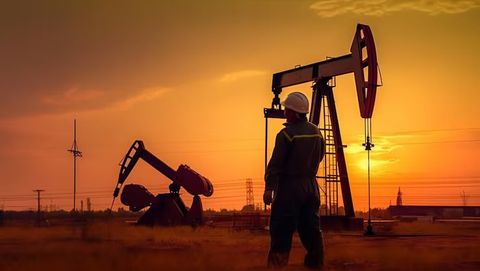
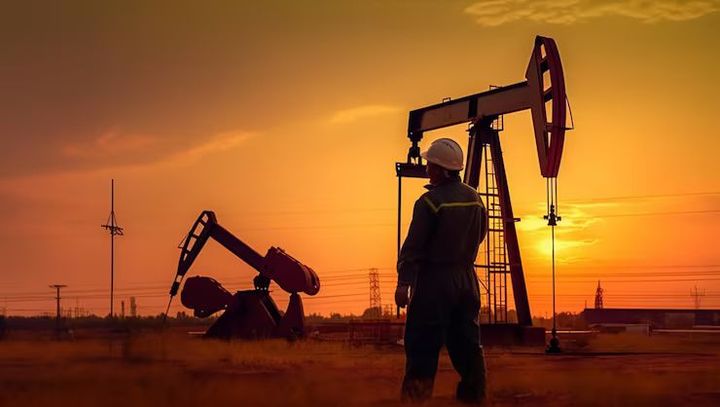
Oil extraction tools are equipment and instruments used throughout the process of bringing crude oil from underground formations to the surface. They support activities such as drilling, well completion, pressure control, monitoring, and maintenance.
Modern oilfield operations use a combination of mechanical equipment, downhole tools, sensors, and digital technologies. Common examples include drill bits, drill pipes, casing equipment, mud systems, wellhead equipment, artificial-lift components, and directional drilling tools.
The basic purpose of these tools is to help operators reach target formations safely and manage the well after drilling begins. Tool selection depends on factors such as formation characteristics, well depth, pressure, temperature, and whether the operation is onshore or offshore.
Why Oil Extraction Tools Matter
Oil extraction equipment matters because underground reservoirs are difficult and sometimes hazardous environments. The right tools help operators control drilling conditions, collect useful measurements, and maintain the mechanical integrity of a well.
Several groups are affected by advances in this field, including drilling teams, equipment engineers, environmental specialists, regulators, and communities located near producing areas.
Modern tools can address practical challenges such as:
- Steering wells toward selected underground formations
- Measuring pressure, temperature, and geological conditions
- Managing drilling fluid and well pressure
- Supporting well completion and production
- Detecting equipment problems before they become serious
- Improving operational monitoring and data collection
A growing area is drilling optimization. Automated systems can combine sensor information with software models to help guide drilling decisions and reduce manual intervention.
| Tool Category | Main Function |
|---|---|
| Drill bits | Break and penetrate rock formations |
| Drill pipe | Transfers rotation and drilling fluid |
| Downhole sensors | Measure conditions below the surface |
| Casing equipment | Supports and isolates well sections |
| Wellhead equipment | Controls the surface connection to the well |
| Artificial-lift equipment | Helps move fluids when natural pressure declines |
Recent Technology and Industry Updates
Technology development has accelerated through automation, artificial intelligence, and real-time data analysis. In February 2026, the Society of Petroleum Engineers highlighted advances in autonomous directional drilling and downhole control, including systems capable of responding to changing conditions while following defined drilling parameters.
In May 2026, the Journal of Petroleum Technology reported on an AI-driven autonomous drilling application used on a deepwater drillship. The project integrated automation systems with rig-control and downhole technologies, showing how digital drilling workflows are moving toward greater autonomy.
Environmental monitoring is also becoming more important. The International Energy Agency's 2026 Global Methane Tracker reported that oil and gas upstream activities account for about 80% of sector methane emissions, increasing attention on leak detection, monitoring equipment, and methane-management technologies.
These developments indicate a broader shift toward connected oilfield equipment, automated drilling, remote monitoring, and data-driven maintenance.
Laws and Policies Affecting Oil Extraction Tools
Rules for oil extraction tools vary substantially by country, state, offshore area, and type of operation. Requirements can cover well construction, air emissions, worker safety, waste handling, water protection, and equipment monitoring.
In the United States, federal air regulations have included methane and volatile organic compound requirements for oil and natural gas operations. During 2025 and 2026, the U.S. Environmental Protection Agency made several changes and clarifications affecting implementation timelines and technical provisions. In April 2026, EPA finalized narrow technical revisions to aspects of the 2024 oil and natural gas rule.
EPA also issued guidance in May 2026 concerning associated-gas flaring under certain circumstances.
Operators therefore need to review applicable national, regional, and local requirements before selecting or deploying extraction equipment.
Tools and Resources
People researching oil extraction tools can use several practical resources:
- Drilling parameter calculators for pressure, volume, and fluid-related estimates
- Well-design worksheets for planning drilling stages
- Equipment inspection checklists for routine monitoring
- Directional drilling planning software for trajectory analysis
- Maintenance templates for pumps, valves, sensors, and lifting equipment
- Geological and reservoir-data platforms for formation interpretation
- Regulatory databases for checking current environmental and operational requirements
- Technical standards databases for equipment specifications and testing practices
Using current technical documentation is important because equipment standards and regulatory requirements can change over time.
FAQs
What are oil extraction tools?
Oil extraction tools are equipment and instruments used for drilling, completing, monitoring, controlling, and maintaining oil wells.
Which tools are used during drilling?
Common drilling equipment includes drill bits, drill pipes, drilling-fluid systems, casing equipment, downhole sensors, and directional drilling tools.
How is AI changing oil extraction technology?
AI can analyze large volumes of drilling data, identify patterns, support automated control, and assist with real-time operational decisions.
Are oil extraction tools different for offshore wells?
Yes. Offshore operations often require equipment designed for greater water depths, marine conditions, pressure control, remote monitoring, and specialized drilling systems.
Do regulations affect oil extraction equipment?
Yes. Equipment and operating practices may need to meet environmental, safety, well-integrity, emissions, and technical requirements established by the relevant authority.
Conclusion
Oil extraction tools have developed from mainly mechanical equipment into connected systems that combine hardware, sensors, automation, and digital analysis. Drill bits, casing systems, downhole tools, wellhead equipment, and monitoring technologies remain fundamental, while autonomous drilling and AI-supported workflows are becoming more visible.
The future of oilfield equipment is likely to emphasize better data, stronger well integrity, more precise drilling, improved monitoring, and greater attention to emissions. Understanding these technologies helps readers make sense of how modern oil extraction operations are planned and managed.
Disclaimer:
This article is provided for general educational purposes. Oil extraction equipment, operating procedures, technical standards, and regulatory requirements vary by location and project. Current requirements should be confirmed with the appropriate regulatory authority and qualified technical professionals.