Steam Turbines: Working, Applications, Efficiency and Trends
Steam turbines convert the energy of high-pressure steam into mechanical rotation and are widely used for electricity generation and industrial processes.
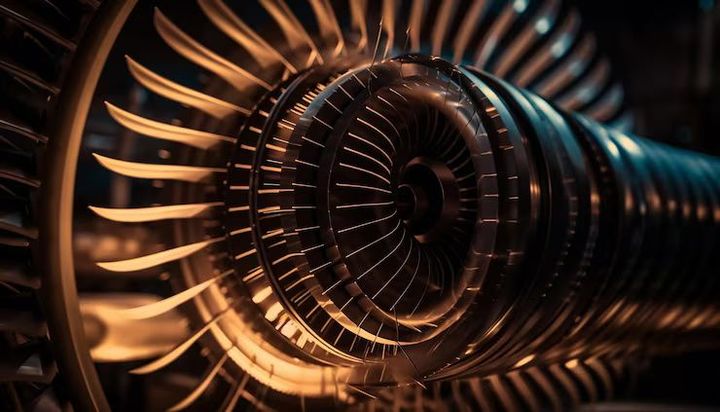
A steam turbine is a rotating machine that converts the thermal and pressure energy of steam into mechanical energy. The rotating shaft can then drive an electrical generator, pump, compressor, or other equipment.
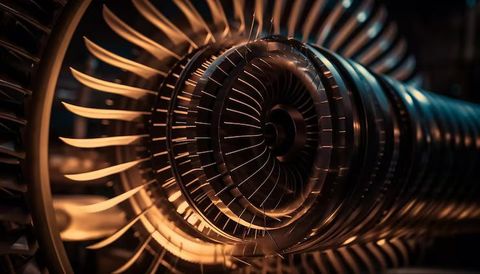
Steam turbines are an important part of many thermal power plants and industrial energy systems. They generally operate through several stages, allowing steam to expand gradually while transferring energy to turbine blades.
A typical steam turbine system includes:
- Boiler or steam generator
- Turbine stages
- Generator or driven equipment
- Condenser
- Feedwater system
- Control and protection equipment
The technology has developed from early steam engines into highly engineered systems capable of operating at high pressure and temperature.
Importance
Why Steam Turbines Matter
Steam turbine technology remains important because it can convert large quantities of thermal energy into continuous mechanical power. It is used in power generation, combined heat and power systems, process industries, and some renewable-energy applications where steam is produced from heat.
Efficiency is a major consideration. Modern designs can use reheat, regenerative feedwater heating, improved blade designs, advanced materials, and optimized steam conditions to improve overall performance.
India continues to use advanced supercritical and ultra-supercritical thermal generation technologies. Government information published in December 2025 reported 70,190 MW of commissioned supercritical capacity and 7,680 MW of ultra-supercritical capacity as of October 31, 2025.
Steam Turbine Performance Factors
Important technical parameters include:
| Parameter | What it indicates |
|---|---|
| Turbine efficiency | How effectively steam energy becomes shaft power |
| Heat rate | Energy input required for electricity generation |
| Steam pressure | Pressure entering different turbine stages |
| Steam temperature | Thermal condition of incoming steam |
| Exhaust pressure | Pressure at the turbine outlet |
| Power output | Mechanical or electrical output produced |
Recent Updates
Efficiency and Advanced Generation
Recent developments have focused on improving thermal efficiency, reducing emissions, extending equipment life, and integrating advanced monitoring technologies.
In December 2025, the Ministry of Power highlighted supercritical and ultra-supercritical generation as an efficiency measure for reducing carbon dioxide emissions per unit of electricity.
Digital monitoring is also becoming more important. Sensors and condition-monitoring systems can track vibration, bearing temperatures, steam conditions, pressure, and other operating parameters. These measurements can help identify abnormal operating conditions earlier.
Another development is the increased attention to biomass co-firing. A November 2025 government policy promoted technical assessment for blending biomass pellets or torrefied material with coal in coal-based power plants.
Laws or Policies
Indian Regulatory Framework
Steam turbine installations in India can be affected by electrical safety, machinery safety, environmental, and power-sector regulations.
The Machinery and Electrical Equipment Safety (Omnibus Technical Regulation) Amendment Order, 2025 states that its listed machinery and electrical equipment requirements apply from September 1, 2026, with BIS identified as the certification and enforcement authority.
Thermal power plants must also follow applicable environmental requirements. Government information in 2025 described revised timelines for sulfur-dioxide requirements for different categories of thermal power plants.
Energy-efficiency and greenhouse-gas frameworks are also evolving. The Bureau of Energy Efficiency lists the Greenhouse Gases Emission Intensity Target Rules 2025 among its current regulatory materials.
Tools and Resources
Helpful Resources for Learning
Useful resources for understanding steam turbines include:
- Steam turbine efficiency calculators
- Heat-rate calculation worksheets
- Steam property tables
- Thermodynamic cycle calculators
- Turbine performance monitoring templates
- Vibration analysis tools
- Engineering simulation software
- Electrical safety checklists
- Energy-efficiency assessment worksheets
A basic Rankine-cycle calculator can help learners understand the relationship between boiler pressure, turbine expansion, condenser pressure, and thermal efficiency.
FAQs
How Does a Steam Turbine Work?
High-pressure steam enters the turbine and expands through stationary and rotating blades. The expansion transfers energy to the rotating shaft, which can drive a generator or other equipment.
Where Are Steam Turbines Used?
They are commonly used in thermal power generation and industrial plants. They can also be associated with systems that produce steam from biomass, geothermal heat, solar thermal energy, or recovered industrial heat.
What Is a Supercritical Steam Turbine?
It is a turbine designed for a power-generation system operating with steam conditions above the critical point of water. Higher steam conditions can support greater thermal efficiency.
What Is Turbine Heat Rate?
Heat rate measures the amount of thermal energy required to produce a unit of electrical energy. A lower heat rate generally indicates better thermal performance under comparable operating conditions.
Why Is Condenser Pressure Important?
Lower condenser pressure can increase the expansion range of steam and potentially improve cycle efficiency. However, actual performance depends on cooling conditions, equipment design, and operating limitations.
Conclusion
Steam turbines remain an important technology for converting thermal energy into mechanical and electrical power. Modern designs emphasize efficiency, reliable operation, advanced materials, digital monitoring, and environmental performance. In India, changing machinery-safety, electricity, energy-efficiency, and environmental frameworks make regulatory awareness increasingly relevant. Understanding steam conditions, turbine efficiency, heat rate, and operating parameters provides a useful foundation for evaluating this technology.
Disclaimer
This article is provided for general educational purposes. Technical, regulatory, and operational requirements can vary according to equipment type, plant configuration, location, and applicable Indian rules. Current requirements should be verified with the relevant authorities and qualified technical professionals.